In 2025, the SEO world is entering a new frontier: AI-powered SEO AI Agents. These aren’t just tools, they act as semi-autonomous collaborators that analyze, generate, optimize, and adapt content strategies based on real-time signals. From ideation to publication, these AI marketing agents are poised to reshape how digital teams work. AI-powered SEO agents An …
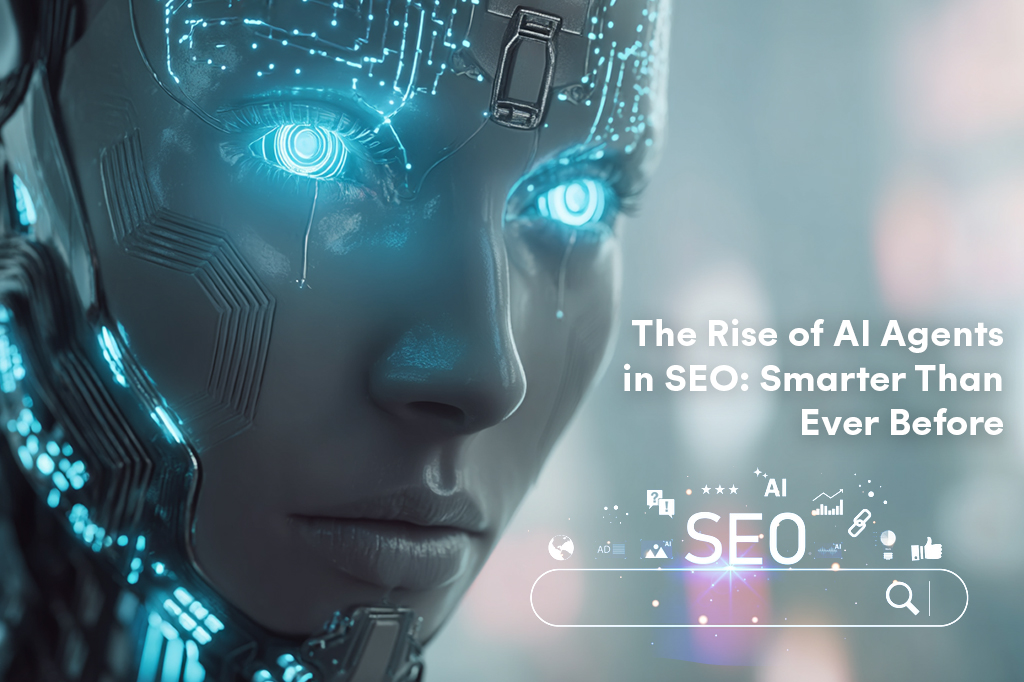
In 2025, the SEO world is entering a new frontier: AI-powered SEO AI Agents. These aren’t just tools, they act as semi-autonomous collaborators that analyze, generate, optimize, and adapt content strategies based on real-time signals. From ideation to publication, these AI marketing agents are poised to reshape how digital teams work.
AI-powered SEO agents
An AI agent in SEO is more than a writing assistant. It’s a system that:
- Monitors signals search trends, competitor moves, algorithm updates
- Generates content in response, often modular and adaptable
- Tests and optimizes variants dynamically
- Adapts over time using feedback loops
Unlike static tools, these agents can manage workflows, respond to performance metrics, and pivot strategies. In short, they behave more like co-workers than mere plugins.
AI Agent for SEO Content Creation
Traditional SEO has often been reactive and laborious: keyword research, content calendars, manual optimization. But AI agents for SEO and marketing bring agility. They let marketers:
- Scale content generation with consistency
- Adjust strategies on the fly (no rigid schedules)
- Tailor outputs to multiple personas or AI “consumers” (e.g. voice assistants, chatbots)
In effect, AI marketing agents can handle both the heavy lifting and the nuance of SEO, freeing human teams to focus on strategy, creativity, and oversight.
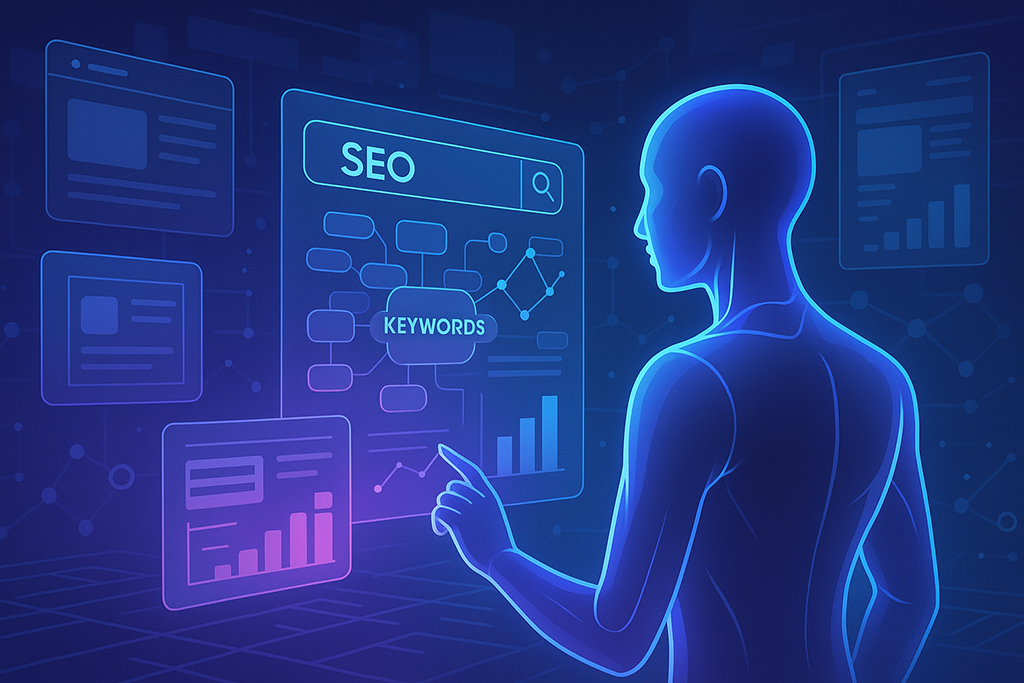
AI Agents for SEO and Marketing
To succeed, these agents rely on several new content strategies:
- Content modularity: Instead of monolithic pages, content is chopped into reusable “chunks” or blocks. Agents can recombine them per context or channel.
- Polymorphism: A single topic page can morph depending on who (or what) is consuming it, e.g. an AI assistant vs. a human reader.
- Data enrichment: Embedding structured metadata (schema, microformats) helps agents “understand” your content better and makes it easier for them to use it reliably in downstream tasks.
Hence, AI agents for SEO content creation don’t just spit out text, they assemble optimized, adaptive, semantically rich content.
AI Agent in SEO
Here are a few real use cases:
- E-commerce: Product pages that dynamically adapt based on seasonal trends, stock levels, or consumer behavior
- News & media: “Living” articles that auto-update with the latest developments or context
- Promo / deals sites: Pages that morph for holidays, sales periods, or shifting offers
These systems run multiple content versions in parallel, test which ones perform better (CTR, engagement, ranking), and automatically promote winners.
Challenges & Cautions
This new paradigm isn’t without risks:
- Quality & consistency: If agents generate content too freely, tone and accuracy may suffer
- Oversight & control: Blind reliance can lead to mistakes or content misalignment
- Ethics & bias: Agents must be guided to avoid harmful, biased, or misleading outputs
- Technical complexity: Integrating agents with CMS, analytics, and publishing systems is nontrivial
Human supervision is essential, not to replace the agent, but to audit, refine, guide, and correct.
The Future: AI Agents + Humans, Not AI vs Humans
The vision for AI agents in SEO and marketing is a hybrid future. The most effective teams will pair AI marketing agents with experienced strategists, writers, and editors. The agents handle scale, optimization, experiments, and adaptation; humans bring nuance, ethics, creativity, and big picture vision.
Frequently Asked Questions: AI Agents in SEO
Q: What exactly is an AI agent in SEO, and how is it different from regular AI writing tools?
A: Think of an AI agent as having a much broader job description than a simple writing tool. While a standard AI writer waits for you to give it a prompt and then generates content, an AI agent in SEO actively monitors what’s happening in your industry, watches how your content performs, and makes decisions about what to create or adjust next. It’s the difference between a tool you operate and a system that operates alongside you, making its own informed choices based on data it’s constantly analyzing.
Q: Can AI agents really replace my content team?
A: Not exactly, and that’s actually a good thing. AI agents are phenomenal at handling repetitive tasks, churning out content variations, and running optimization tests around the clock. But they can’t bring the human insight, emotional intelligence, or creative spark that makes content truly resonate with people. The sweet spot is using agents to handle the grunt work while your human team focuses on strategy, brand voice, and the kind of creative thinking that machines still can’t replicate.
Q: What does “content modularity” mean in plain English?
A: Instead of writing one massive article and calling it done, you’re creating smaller, flexible pieces of content that can be mixed and matched like LEGO blocks. For example, you might have separate modules for product features, customer testimonials, and pricing information. An AI agent can then assemble these pieces differently depending on who’s reading—maybe emphasizing different features for different customer segments or adjusting based on what’s trending that week.
Q: How do I know if my business actually needs AI agents for SEO?
A: Ask yourself a few questions: Are you struggling to keep up with content demands? Do you need to create similar content for multiple audiences or channels? Are you spending too much time on repetitive optimization tasks? If you’re nodding yes, AI agents might be worth exploring. However, if you’re a small operation with limited content needs or you’re just starting out with SEO basics, you might want to master the fundamentals first before adding this level of automation.
Q: What are the biggest mistakes people make when implementing AI agents?
A: The number one mistake is setting them loose without proper guardrails. Some businesses get excited about automation and stop reviewing what’s being published, which can lead to off-brand content or embarrassing errors. Another common pitfall is expecting agents to understand your brand voice without training them properly. You need to invest time upfront in teaching the system what good looks like for your specific business, then maintain ongoing oversight.
Q: Will Google penalize content created by AI agents?
A: Google’s official stance is that they care about content quality, not how it’s made. That said, if your AI agent is pumping out thin, generic, or unhelpful content just to fill pages, that’s a problem regardless of whether a human or machine wrote it. The key is ensuring your AI-generated content genuinely serves user intent, provides value, and maintains quality standards. Many successful sites already use AI assistance without penalties because they’re focused on quality first.
Q: How much technical knowledge do I need to set up AI agents for SEO?
A: It varies widely depending on the solution you choose. Some platforms offer user-friendly interfaces where you can set up basic agents without coding knowledge. But for more sophisticated implementations—especially if you want agents integrated with your CMS, analytics, and other marketing tools—you’ll likely need developer support or someone with technical SEO experience. Start simple and scale up as you learn what works for your workflow.
Q: What’s the investment like for AI agent technology?
A: You’ll find options across the price spectrum. Some enterprise solutions can run thousands per month, while emerging tools might start at a few hundred dollars. Beyond software costs, factor in time for setup, training, and ongoing management. Don’t forget the human oversight costs either—someone needs to monitor and guide these systems. For most businesses, the ROI comes from efficiency gains and the ability to scale content without proportionally scaling headcount.
Q: Can AI agents handle local SEO or niche industries effectively?
A: Yes, but with important caveats. AI agents can absolutely manage location-specific content variations and learn niche terminology through proper training. However, highly specialized industries with complex jargon or local businesses with unique community knowledge will need more hands-on human input. The agent can handle the mechanics and scale, but you’ll need to feed it the specialized knowledge and local insights that make your content authentic and authoritative.
Q: What should I look for when choosing an AI agent platform for my SEO needs?
A: Focus on a few critical factors: integration capabilities with your existing tools, customization options for your brand voice, transparency in how the agent makes decisions, and the ability to maintain human oversight and control. Also look for platforms that offer performance tracking so you can see what’s actually working. Don’t be swayed purely by flashy features—prioritize solutions that solve your specific bottlenecks and fit naturally into your current workflow.